From Tokyo: Full-Day Mount Fuji Tour in English or Spanish
Begin your tour with a visit to the sacred Mount Arakura Sengen Park to take pictures and see one of the oldest shrines in the area, built by the Lord of Yamanashi, the famous samurai Mr. Takeda. In the same mountain you will visit the famous and beautiful Chureito Pagoda, where the view of Mount Fuji is one of the most famous.
The mountain has two paths to visit these places, from the entrance to the pagoda there are 400 steps, the first 100 are to go to the shrine., the other 300 steps are to go up to the Pagoda.
There is another path without steps, up a beautiful slope from where the view is also impressive.
Either path (with or without stairs) will take you to the same place.
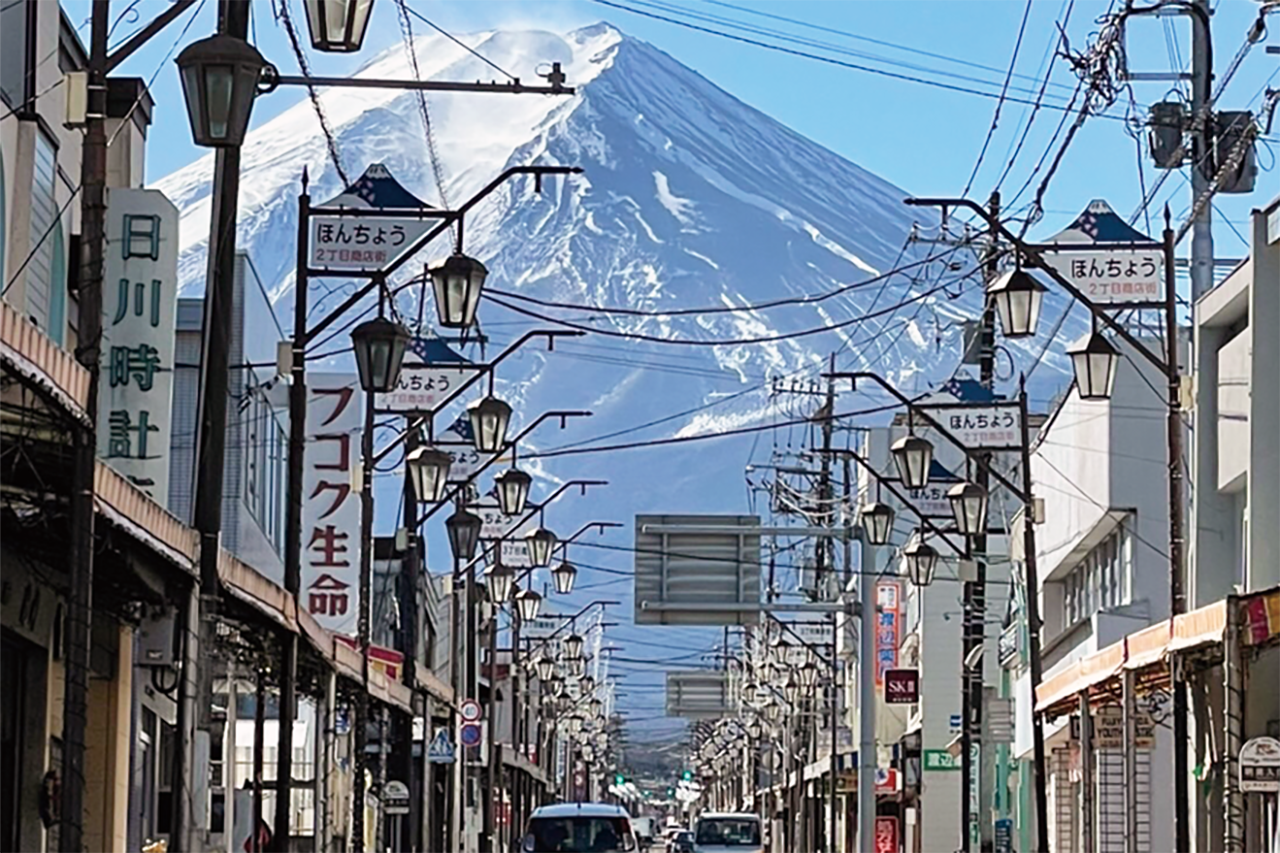
After visiting Arakura Mountain we will go for a walk along the famous Honchome street, where you'll have another of the most famous views of Mount Fuji.
Honcho Street in Fujiyoshida is a shopping street with traditional architecture and local shops. Its history is linked to its role as "Fuji Michi," or the path to the sacred mountain.
The street has historically been an access and pilgrimage route to Mount Fuji. Its cultural significance stems from its direct connection to the sacred mountain and the spectacular views it offers.
Next head to Kitaguchi Hongu Fuji Sengen Shrine, where you can appreciate culture, history and religion.
The shrine is part of the Mt. Fuji UNESCO World Cultural Heritage site, designated in 2013.. This shrine is said to have over 1,900 years of history, with origins dating back to 100 AD, when it was built as a small shrine to honor the legendary prince Yamato Takeru during his passage through the region.
It is the true and ancient northern entrance to Mount Fuji, the starting point of a long pilgrimage route to the sacred mountain.
After visiting this historic and beautiful place we will go to visit Oishi Park, built in front of Lake Kawaguchiko with all the stones that the local people recover from the Mt.Fuji, the stones that the sacred mountain through around the lake in a strongs eruptions , this park was built in memory of all the eruptions of Fuji in front of the lake. Walk through two beautiful gardens with seasonal flowers, enjoy 14 delicious flavors of creamy ice cream, and buy fruits from the area as well as souvenirs.
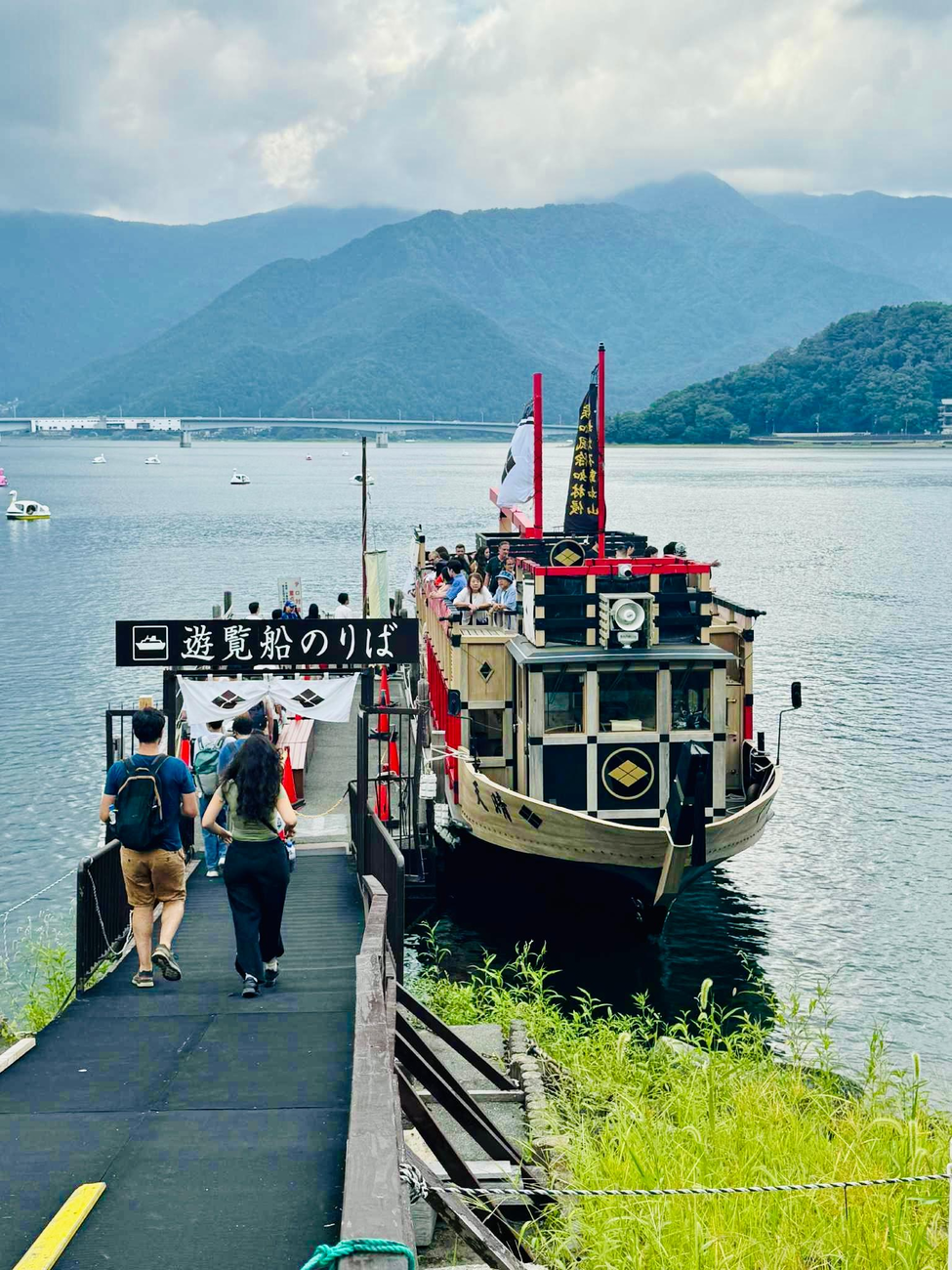
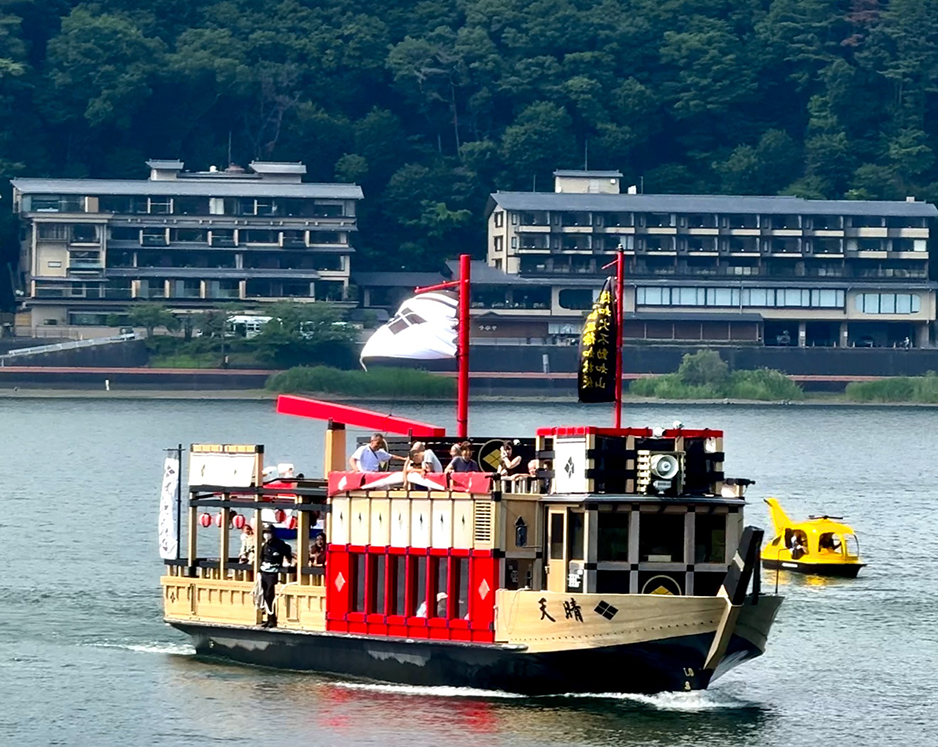
End your tour with a cruise around the Lake Kawaguchiko, the second largest lake around Mount Fuji and enjoy the views of Mount Fuji and the lake surroundings.
Nuestro itinerario :
Lugar del encuentro:
6 Chome-5-1 Nishishinjuku, Shinjuku City
Autobús/Van
(30 minutes)
Arakurayama Sengen Park Observatorio
Visita guiada, Visita turística (70 minutos)
Arakura Fuji Sengen Shrine
Visita, Visita guiada, Recorrido turístico, Paseo
Opcional
Chureito Pagoda
Visita, Visita guiada, Recorrido turístico, Paseo
Optional
Shimoyoshida Honcho Street
Visita, Visita guiada, Vistas panorámicas en el camino. (20 minutos)
Kitaguchi-hongu Fuji Sengen Shrine
Visita guiada, Visita turística (50 minutos)
Oishi Park
Visita guiada, visita turística, zona de almuerzo (80 minutes)
Paseo en barco por el Kawaguchiko
Navegación por el lago (40 minutes)
Punto de retorno
Oficina Postal de Shinjuku, a 2 minutos caminando hasta la estación de Shinjuku. 1-chōme-8-8 Nishishinjuku, Shinjuku City, Tokyo 160-0023, Japón
Explora los alrededores del Monte Fuji, el Santuario Arakura, la Pagoda Chureito, la calle Honcho, el Santuario Kitaguchi Hongu Fuji Sengen y el Parque Oishi. Disfruta de un crucero por el segundo lago más grande del Monte Fuji.
Embárcate en un viaje inolvidable a algunos de los destinos más impresionantes de Japón con un tour en español e inglés desde Tokio. Disfruta de vistas impresionantes y visita lugares sagrados, ¡todo en una experiencia inolvidable! Tanto si eres aventurero como amante de la naturaleza o de la fotografía, este tour está diseñado para ofrecerte vistas inigualables, perspectivas culturales y belleza natural. ¡Permítenos guiarte al corazón del esplendor del Monte Fuji!
Arakura Mountain Sengen Park (Arakura shrine y la Pagoda Chureito )
Comience su recorrido con una visita al sagrado Parque del Monte Arakura Sengen para tomar fotografías y contemplar uno de los santuarios más antiguos de la zona, construido por el Señor de Yamanashi, el famoso samurái Sr. Takeda. En la misma montaña, visitará la famosa y hermosa Pagoda Chureito, desde donde la vista del Monte Fuji es una de las más famosas. La montaña cuenta con dos senderos para visitar estos lugares: desde la entrada a la pagoda hay 400 escalones: los primeros 100 conducen al santuario y los otros 300 para subir a la pagoda. Hay otro sendero sin escalones, que sube por una hermosa ladera desde donde la vista también es impresionante. Cualquier sendero (con o sin escaleras) le llevará al mismo lugar.
Honcho street
Tras visitar la montaña Arakura, daremos un paseo por la famosa calle Honchome, donde disfrutará de otra de las vistas más famosas del monte Fuji. La calle Honcho en Fujiyoshida es una calle comercial con arquitectura tradicional y tiendas locales. Su historia está ligada a su función como "Fuji Michi", o el camino a la montaña sagrada. Históricamente, la calle ha sido una ruta de acceso y peregrinación al monte Fuji. Su importancia cultural reside en su conexión directa con la montaña sagrada y las espectaculares vistas que ofrece.
Kitaguchi Fuji Sengen shrine
A continuación, diríjase al Santuario Kitaguchi Hongu Fuji Sengen, donde podrá apreciar la cultura, la historia y la religión. El santuario forma parte del Monte Fuji, declarado Patrimonio Cultural de la Humanidad por la UNESCO en 2013. Se dice que este santuario tiene más de 1900 años de historia, cuyos orígenes se remontan al año 100 d. C., cuando se construyó como un pequeño santuario en honor al legendario príncipe Yamato Takeru durante su paso por la región. Es la auténtica y antigua entrada norte al Monte Fuji, el punto de partida de una larga ruta de peregrinación a la montaña sagrada.
Oishi Park
Después de visitar este histórico y hermoso lugar, visitaremos el Parque Oishi, construido frente al lago Kawaguchiko con piedras recuperadas del Monte Fuji por los lugareños. Estas piedras fueron arrojadas por la montaña sagrada alrededor del lago durante fuertes erupciones. Este parque fue construido en memoria de todas las erupciones del Monte Fuji frente al lago. Recorreremos dos hermosos jardines con flores de temporada, disfrutaremos de 14 deliciosos sabores de helado cremoso y compraremos frutas de la zona y recuerdos.
Kawaguchiko lake cruise
Termine su recorrido con un crucero por el lago Kawaguchiko, el segundo lago más grande alrededor del Monte Fuji y disfrute de las vistas del Monte Fuji y los alrededores del lago.
'/%3e%3cpath%20fill-rule='evenodd'%20clip-rule='evenodd'%20d='M9.30883%207.34257C9.10368%206.8889%208.88781%206.87971%208.69293%206.87185L8.16829%206.86548C7.98576%206.86548%207.6892%206.93366%207.43849%207.20637C7.18778%207.47908%206.48047%208.13818%206.48047%209.47875C6.48047%2010.8193%207.46127%2012.1147%207.59794%2012.2967C7.73461%2012.4787%209.49136%2015.3174%2012.2734%2016.4096C14.5853%2017.3172%2015.0558%2017.1367%2015.5578%2017.0914C16.0598%2017.046%2017.1771%2016.4323%2017.4051%2015.796C17.633%2015.1597%2017.6331%2014.6146%2017.5648%2014.5006C17.4965%2014.3866%2017.3139%2014.3189%2017.04%2014.1826C16.7661%2014.0462%2015.4207%2013.3871%2015.1698%2013.2961C14.919%2013.2051%2014.7366%2013.1599%2014.5539%2013.4326C14.3712%2013.7053%2013.8473%2014.3188%2013.6876%2014.5006C13.5279%2014.6825%2013.3684%2014.7053%2013.0945%2014.5691C12.8205%2014.4329%2011.9392%2014.1451%2010.8935%2013.2168C10.0799%2012.4946%209.53066%2011.6026%209.37077%2011.3301C9.21087%2011.0575%209.35379%2010.9099%209.49106%2010.7741C9.61388%2010.652%209.76469%2010.4559%209.90181%2010.2969C10.0389%2010.1379%2010.084%2010.0242%2010.1751%209.84261C10.2663%209.66105%2010.2209%209.50158%2010.1524%209.36537C10.0839%209.22916%209.5521%207.88147%209.30883%207.34257Z'%20fill='white'/%3e%3cdefs%3e%3clinearGradient%20id='paint0_linear_90_18145'%20x1='11.8605'%20y1='3.93043'%20x2='11.952'%20y2='19.4223'%20gradientUnits='userSpaceOnUse'%3e%3cstop%20stop-color='%2357D163'/%3e%3cstop%20offset='1'%20stop-color='%2323B33A'/%3e%3c/linearGradient%3e%3c/defs%3e%3c/svg%3e)
