YourPlovdivTrips
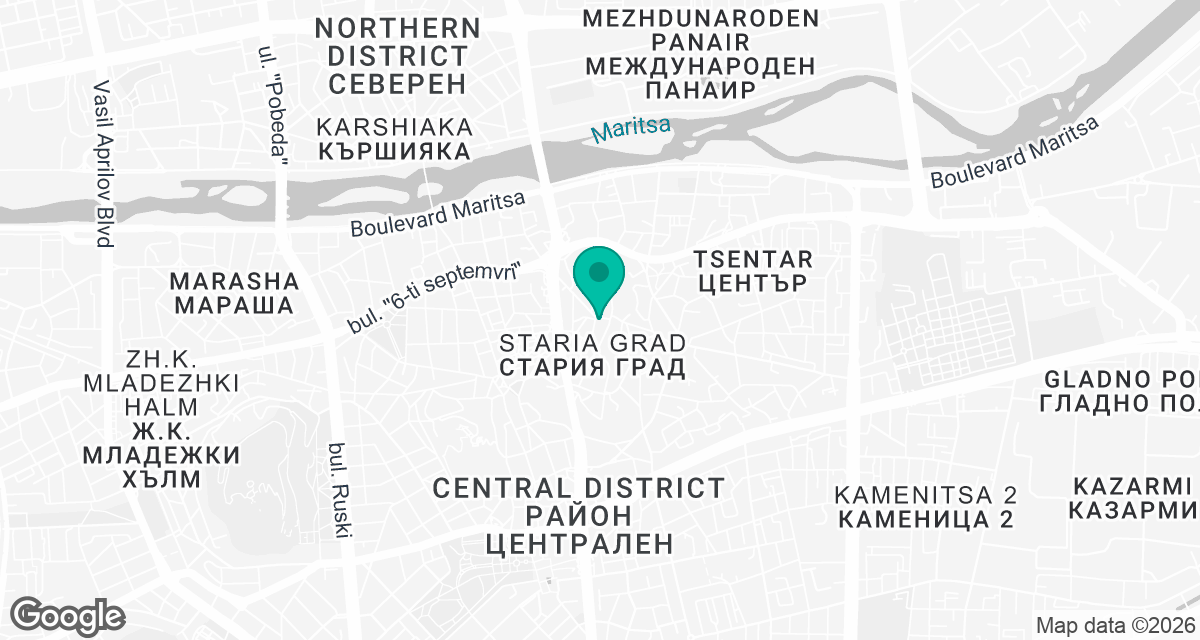
Your Plovdiv Trips er en lokal rejsearrangør i Plovdiv som tilbyder priværundvisninger, dagsture og transport – perfekt til rejsende der ønsker at udforske Plovdiv og området komfortabelt og billigt. Vi ligger i den gamle bydel af Plovdiv og opererer med reservationer på forhånd pr telefon / WhatsApp eller e-mail.
Tourist Member Privileges
Direct partner perks — unlocked with your Tourist ID.
Stay – Secret Mumdzhidam Kingdom in Rhodopes
A magical trip to Mumdzhidam Kingdom tailor-made for the true fans of wild nature. You will explore the authentic secret corners of Rhodope Mountains and you may also meet Tandzher - the only person still inhabiting the kingdom to this day - King of Mumdzhidam. We pick you up from an address of your choice in Plovdiv at 9 am. After an hour-and-40 minute long scenic car ride, we arrive in a small village in the Rhodope mountains where we park the car. We hike along a marked mountain path to the Kingdom of Mumdzhidam. The hike is two hours long in one direction; the terrain is comfortable. At Mumdzhidam, surrounded by stunning panoramic views, we'll enjoy a picnic lunch (a light snack provided). From Mumdzhidam, we walk back to the car and then travel on to the village of Sabaziy located at the base of Mount Belintash. Belintash is a mystical Thracian sanctuary hiding deep within the Rhodopes known locally as "the stone of knowledge." This name comes from local folklore, however upon visiting the ancient site visitors often find more rumors than actual historical evidence regarding its many alleged mysteries. Walking back takes approximately twenty minutes before getting back to the vehicle which drives us ten minutes away to reach the tiny settlement of Sabaziy. Parking near the bottom of the slope, we follow a half mile marker hiking route through fields until arriving at Stefan's house—homeowner and sole resident of the remote mountainous hamlet called Sabaziy. Checking...
The Womb Cave and The Lost Thracian Mysteries
The sanctuary complex near the village of Nebeska is a complex with incredible rock formations, weathered over millions of years, isolated from trapezoidal niches and rock cavities. Observing the rocks, we are going to discover mushrooms, figures of animals and human faces in the stone. This place is filled with legends which enchant each visitor with its mysticism. Even to this day, locals speak of the great power of secret rituals floating in the air. The great Thracians would come here on horseback, they would spend the night in the Womb Cave and in the morning the young men would carve a cavity in the rocks. They would put gifts (bread or herbs) in the cavities as a way to worship the holy marriage between the Sun and the Mother Goddess. They believed the energy of God would seep through the cavities. This amazing Thracian megalith - The Womb Cave was discovered in 2001. The temple is shaped like the opening to a vagina. It leads into a cave about 22 meters. It was also additionally shaped by hand into a place of conception constantly washed by water seeping through the walls. At the deep far end of the cave, a carved altar symbolises the womb itself. At midday as the sun approaches its highest point in the sky, its light seeps into the cave through a special opening in the ceiling and projects a perfectly recognizable representation of a phallus onto the floor. As the sun progresses further, and the light slants across the interior of the cave, the phallus grows long
Buzludzha
Do yourself a favor and book this amazing trip to Bulgaria's UFO -Buzludzha Monument, featured as one of the Most Beautiful Abandoned Places in the World ! Originally built as a Bulgarian Communist Party Assembly Hall in 1974, this UFO-like structure has been abandoned for decades. Each year it attracts hundreds of photographers and adventure seekers. The construction process started in 1974 and took seven years. Around 6,000 people worked on the site until the monument rose as a structure and more than 15,000 cubic meters of rock were destroyed in the process. The cost was more than 35 000 000 US Dollars. After 1989 with the end of the communist era in Bulgaria the monument was abandoned and is slowly disintegrating and falling apart since then. On our way to Buzludzha we will pass through some of the most interesting landmarks in Bulgaria such as Kazanlak and the Valley of the Roses and the Thracian kings, the Shipka monument and the memorial church of Shipka where we can stop if you wish. We recommend wearing comfortable clothing and footwear, along with a jacket and warm clothes regardless of the season, as the Buzludzha monument is situated high up in the mountains and there may be strong winds. Please remember that visiting the interior of the monument is at your own risk. The building is not maintained by the Bulgarian authorities anymore nor anybody else; therefore, access to its interiors is prohibited due to safety reasons. Departure time starts at 9:00 AM. After an hour...
Arapovo Monastery and Slivodolsko waterfall
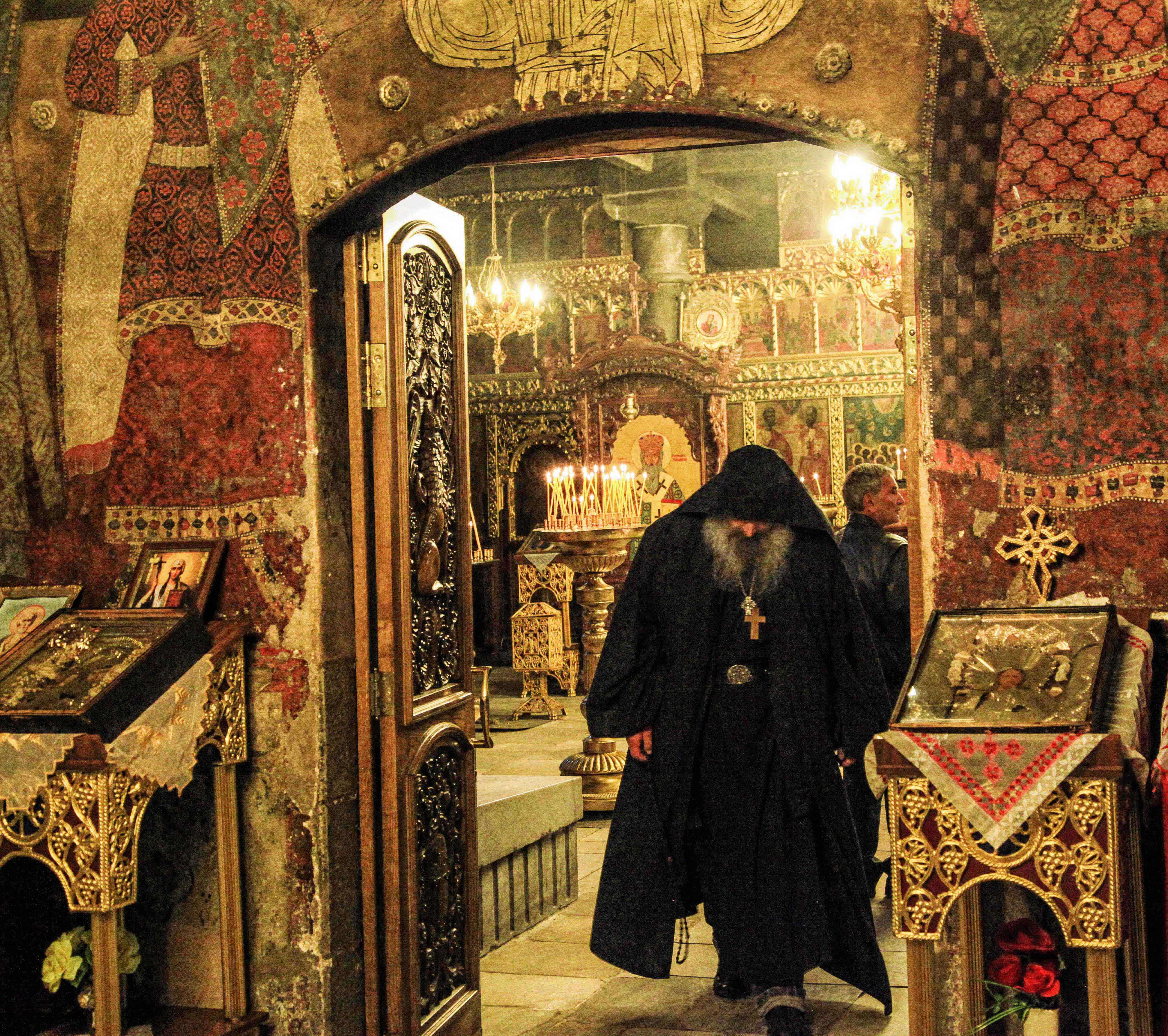
Arapovo Monastery “St Nedelya” is situated 28 kilometers north-east of Plovdiv, near the town of Zlatohriv (previously known as Arapovo). This unique monastery was built during the time when Bulgaria was under Ottoman rule. Legend says that water from the monastery's sacred spring healed the loved one of Arap Bey, who was a local Turkish governor. In gratitude for this miracle cure, Arap Bey gave them a piece of land where they could build their own monastery next to the healing springs. The main temple within the compound dates back to 1859; you will find evidence of this on the plaque above the west doors. It features six large pillars supporting the domes, whilst inside there are beautiful marbled tiled floors. Both the ikonostas or screen separating the sanctuary area off from the rest of the nave, together with the smaller images carved onto each pillar, depict works created by renowned artist associated with the Bulgarian National Revival movement - Hristo Georghiev Gantchev Zhivkov better knowns as Zhgrafina. However, perhaps the oldest structure here is dedicated to angel Voivod - another well-known rebel leader fighting valiantly against our oppressors Turks. As per tradition, his personal wish led directly towards constructing such impressive edifice right beside the existing buildings. Its shape resembles rectangle which once functioned primarily as lookout point but also offered living quarters too. First two levels consist mainly out of stones having only tiny window openings serving purposes similar those present day snipers would use whereas top level provides more comfortable accommodation thanks largely due presence solid timber framework projecting outwards significantly thus providing additional space needed daily life activities taking place indoors comfortably. Lastly don't forget about ancient miraculous source hidden just beyond monastic enclosure gates closer side facing northward direction! As for your second question regarding location details concerning 'slivovdol', I couldn't provide specific information since no relevant context provided alongside initial query hence unable determine exact reference being asked... Please clarify further if necessary otherwise consider previous response complete & final version related topic discussed hereinabove..
Rhodope Mountains Local Wine and Meal
We will pick you up from an address of your choosing (in Plovdiv). We will leave for Rhodope mountain, the drive is about 55 minutes long. Once we arrive at the foothill of the Thracian sanctuary Belintash, we will hike for about 20 minutes along a forest path until we get to the rock formation that is Belintash - the Stone of Knowledge, where you will enjoy a spectacular view of the mountain. After that, we will walk down a secret path and after a 15-minute hike it will take us to some traditional Bulgarian cabins where we will have a glass of local wine (red or white) and we'll get to try a traditional Bulgarian meal. That will take about 50 minutes. Then we will bring the car and pick you up. We leave back for Plovdiv. Belintash is a mystical Thracian sanctuary hidden deep in the heart of Rhodopean Mountains. "The Stone of Knowledge." According to popular belief, this is what belintash means. However, if you visit the Thracian sanctuary of Belintash, located 30 km from Asenovgrad in the Rhodope, you’ll discover few hard facts but plenty of rumors of mysterious events. Local legends multiply so quickly that whatever kernels of truth may have existed have been lost under layers of fiction. In the upper platform of the structure there are carved round holes, gutters, niches and steps. Some people think this is a sky map. The length of the rock site is approximately 300 meters with an altitude of 1225 m. Despite the numerous theories, all researchers agree that Belintash was
Krastova Gora & The Karadzhov Boulder
Krastova Gora is one of the largest Christian centers in Bulgaria, which attracts a large number of pilgrims. The place is situated in the Middle Rhodope Mountain, 60 km from Plovdiv. Its altitude is 1,545 meters. The complex is situated on a meadow amidst a beautiful forest. The reason that makes Krastova Gora attract so many pilgrims from the entire country is the legend that a piece of the Christ’s Cross was buried here. Many legends speak about this place and all of them are related to the Cross of Christ and the wonder of healing. The church “Protection of Holy Virgin Mary” which was completed in 1995 is situated in the beginning of the chapel complex. There is a spring in the region, which also has curative power according to the legend. The nature around the Christian complex is very beautiful, and the region attracts nature admirers and people who seek a peaceful place for relaxation and rest. The Karadzhov Boulder is a remarkable rock formation located near the village of Mostovo in the Rhodope Mountains. The formation is two stone pillars that rise to plateaus with a peak that is 1,448 meters high, and with walls so steep and narrow that they form a deep fissure. In this fissure rests a giant stone, testimony to the massive forces needed to wedge it there. This stone is called The Karadzhov Boulder. From ancient times, this stone has been seen as something extraordinary – the ancient Thracians erected a sanctuary at the site to honor their dead. But whatever the
Wonderful Bridges - Trigrad Gorge
In the morning we head from Plovdiv towards the Wonderful Bridges located at 1450 m above sea level in the heart of the beautiful Rhodope Mountains. This unique natural phenomenon consists of two rock bridges (with heights up to 45m) spanning a little stream. The Marble Bridges have been shaped through erosion caused by an ancient flood. They feature prominently amongst the top hundred Bulgarian National Tourist Sites. Trigrad Gorge lies seven kilometers north of the town of Trigrad under soaring white limestone walls carved out by the waters of the Trigrad River during countless millennia. It has been designated a Nature Reserve since 1963. At certain points these sheer cliff faces stand approximately three hundred meters apart; however, within quite a large section - around twenty or thirty percent of the entire length of the canyon—they come together again after just hundreds of yards. To the west, the height ranges between five hundred fifty feet with eastern sides reaching elevations ranging from nine hundred eight feet to eleven hundred four feet tall. Such colossal proportions rank this ravine number three amidst similar geographical features throughout Bulgaria. Winding roads lead travelers alongside rivers which sometimes burst forth directly from solid stone here. As if emerging straight from Mother Earth herself! Herein lays the source of the underground course taken by the Trigrad River before reappearing almost half a mile down inside another cavern system known locally as 'Devil's Throat'. Indeed, "Devils throat" stands proud today not merely due to its dramatic setting alone...but equally so thanks largely attributed toward making use available public infrastructure investments made possible access thereto thus transforming what would otherwise remain hidden away forevermore deep buried secrets now exposed wide open waiting eager tourists ready explore uncover more mysteries held captive therein awaiting discovery beyond imagination limits set solely human understanding capacity presently attainable realms comprehension scope boundaries defined strictly confined exclusively reserved domain exclusive ownership vested interests control authority jurisdiction sovereignty absolute power dominion supremacy unquestionable dominance undisputed hegemony unchallenged leadership indisputable superiority undeniable ascendancy supreme eminence unparalleled distinction exceptional status preeminent position unsurpassed excellence extraordinary achievement remarkable feat unprecedented
Starosel Thracian temple and Hissar spa resort
In August 2000, a sensational discovery took place near the village of Starosel, in central Bulgaria. Archaeologists uncovered an enormous temple/tomb that they believe belonged to a Thracian ruler, perhaps even Sitalces I, who may have been the first King of a united Thrace Empire. This tomb or temple dates back to between the fourth and fifth centuries BC and has turned out to be by far the biggest ever unearthed. It's called the "Starosel" Thracian religious building due to numerous graves being located all round the main structure. During our tour today you will firstly see the Temple close to Starosel; afterwards travel onwards towards Hisar - with just under seven thousand inhabitants - a little holiday destination renowned throughout Europe thanks to its thermal baths. Situated right next to the foothills of the Central Mountain Range some three hundred forty six metres above sea level, it enjoys quite a temperate weather pattern along with more than twenty different types of spring water sources making it popular amongst both local Bulgarians and visitors alike. As one of only three internationally recognised spas within Bulgaria, there are plenty of remnants left behind by ancient Romans here too. You can still find these relics scattered about wherever you look including old government offices, a tiny theatre seating area, barrack blocks used by soldiers stationed nearby, plus original church bases thought to date back hundreds of years ago when Christianity began taking root across Eastern European countries alongside evidence suggesting once upon a time stood the most perfectly preserved fort built during Rome's reign anywhere else in modern day Bulgaria. Known locally as 'the Camel Gate', situated down south side where part way through history collapsed leaving onlookers thinking it resembled nothing less than two large camel animals standing face to face until restoration work started earlier in the twentieth century brought parts of them together again. After arriving in Hisar take advantage of your free afternoon exploring leisurely walks amidst lush greenery surrounding various natural warm pools filled bubbling waters whilst surrounded by beautiful statues representing mythical creatures said to guard such places according to legend accompanied naturally enough by crumbling stonework structures reminiscent of those constructed thousands of years prior by roman legionaries themselves!
Red Church Perushtitsa
The Red Church near Perushtitsa (20 km from Plovdiv) is one of the few remaining examples of Early Christian Byzantine architecture, well preserved until our days. Seeing these remnants of an ancient place of worship live is truly impressive - especially when you consider that some northern sections stand almost 14 meters high! This sacred structure dates back to the late 4th century AD and initially functioned as a Martyrion or shrine housing holy relics. Later, sometime in the course of the 6th century, it underwent transformation becoming a Basilica style edifice complete with additional chapels attached to each side - specifically a southern Chapel and a Northern Baptistry. Inside the latter there's even evidence of original Piscina basin used for baptism rituals shaped like a Greek Cross design. Unfortunately, due to invasions by Cumans and Pecenegs probably within the seventh century, significant damage occurred here. Between the eleventh and twelfth centuries major renovations took place not only restoring structural integrity but also updating fresco paintings while simultaneously constructing new necropolises northwestwardly surrounding site perimeter along west facade adding porch columns too now partially collapsed yet their foundations remain evident underfoot presently. All structures throughout complex constructed using local reddish brickwork known locally called 'Plinthos', bound tightly through pinkish cement mixture giving rise directly towards present day appellation "Red" attributed hereto architectural marvel. As far as frescos go we currently observe fragmented vestiges primarily located predominantly across lefthand nave interior surfaces & archways above passageway corridors all being direct descendants those restored works executed between aforementioned period spanning eleven thru twelve hundreds years past henceforward... Furthermore mosaic flooring covering ground level areas plus inferior portions existing masonry partitions composed entirely out minute cut marbles pieces originally adorned floorspace inside main chamber area unfortunately lost over eons gone by leaving behind solely memory traces embedded deep recesses history annals forevermore silently whispering tales untold about once vibrant spiritual sanctuary standing tall amidst Bulgarian countryside long ago vanished beneath layers dust forgotten times<unused5> (Note: I corrected several errors in grammar, punctuation, and formatting while keeping the meaning intact.)
Perperikon-Tatul Stone Wedding
Perperikon, the medieval archaeological site, is among the oldest monumental megalithic constructions that are completely hewn out of stone. Located in Eastern Rhodopes mountain range, this place lies about 20 kilometers north eastwards from the municipality of Kărdzhali and approximately 97 kilometers away from Pleven. This rocky settlement perches atop a precipice rising up to heights of around 470m above sea level. As such, it ranks amongst some of the more sought-after attractions by tourists visiting Bulgaria. Religious activities started taking shape here during the fifth century BCE; over time these developed further until they had grown significantly enough to become established within fortifications along with other buildings like palaces and residential areas towards the close of antiquity. There's evidence suggesting that this area may have served as a regal dwelling for Bessi tribesmen who were followers of Thrace mythology. Later Roman influence introduced elements of opulence which unfortunately came to naught when Gothic forces sacked and set fire to Perperikon sometime before or in the year 378 CE. By early Middle Ages (around start of 5th Century), due largely thanks to Christianization process occurring across Rodopi Mountains region including local populace embracing new faith -this particular location transformed itself becoming significant ecclesiastical hub known locally as episcopate seat . Unfortunately ,the Ottomans eventually took control leading ultimately destruction thereof late fourteenth century onwards marking tragic conclusion chapter filled rich history associated specifically mentioned 'holy city'. However today we witness resurgence past glories once again shining bright upon us all! What makes particularly special not just archaeologically but also historically environmentally diverse religious aspects too making claim rightful position amidst world wonders list rightfully so deservedly held high esteem globally recognized significance accordingly acknowledged universally celebrated status achieved through collective efforts dedicated preservation restoration ongoing projects aimed revitalizing cultural heritage tourism potential unlocking hidden treasures buried beneath layers dust forgotten times long passed... And finally there remains another equally impressive monument nearby village called Tatul representing yet additional testament enduring legacy left behind our ancestors showcasing remarkable architectural prowess displayed construction techniques employed creating awe inspiring grandeur standing tall against test time proving resilience strength adaptability demonstrated throughout millennia endured survived despite numerous challenges faced succumbed only relentless march progress inevitably reshaping ever changing face human civilization forever transforming landscape shared humanity collectively forged memories etched indelibly hearts minds generations come pass leaving indelible mark defining identity shaping future course societies evolving continually adapting circumstances surrounding them thus ensuring continuity tradition survival relevance perpetuity beyond measure immeasurable value bestowed mankind humankind perpetuating timeless wisdom accumulated knowledge preserved sacred sites embodying profound spiritual symbolism resonating deeply core essence beings reminding existence impermanence transient nature life urging reflection introspection fostering growth understanding appreciation beauty inherent diversity richness tapestry woven together countless threads experiences lived breathed souls inhabiting vibrant living breathing communities thriving midst breathtaking landscapes bathed sunlight kissed warmth nurturing embrace Mother Nature herself embodiment divine majesty splendor everlasting truth eternal truths guiding principles illuminating path enlightenment ultimate destiny fulfillment destined journey every soul embarking quest self discovery uncovering mysteries unfolding universe revealing secrets concealed darkness unknown realms awaiting exploration adventure waiting unfold pages unwritten stories penned hands gifted visionaries daring dreamers brave pioneers forging ahead courageously blazing trails untrodden paths challenging boundaries pushing limits redefining imagination sparking creativity igniting passion fueling dreams aspirations setting sail uncharted territories charting courses navigating treacherous waters braving storms tempests overcoming adversity triumphing perseverance determination unwavering spirit indomitable will power manifesting visions reality turning impossible possible achieving extraordinary feats greatness surpassing wildest imaginings highest aspirations greatest accomplishments realized manifestation pure potenti
Bachkovo Monastery and Asen’s Fortress
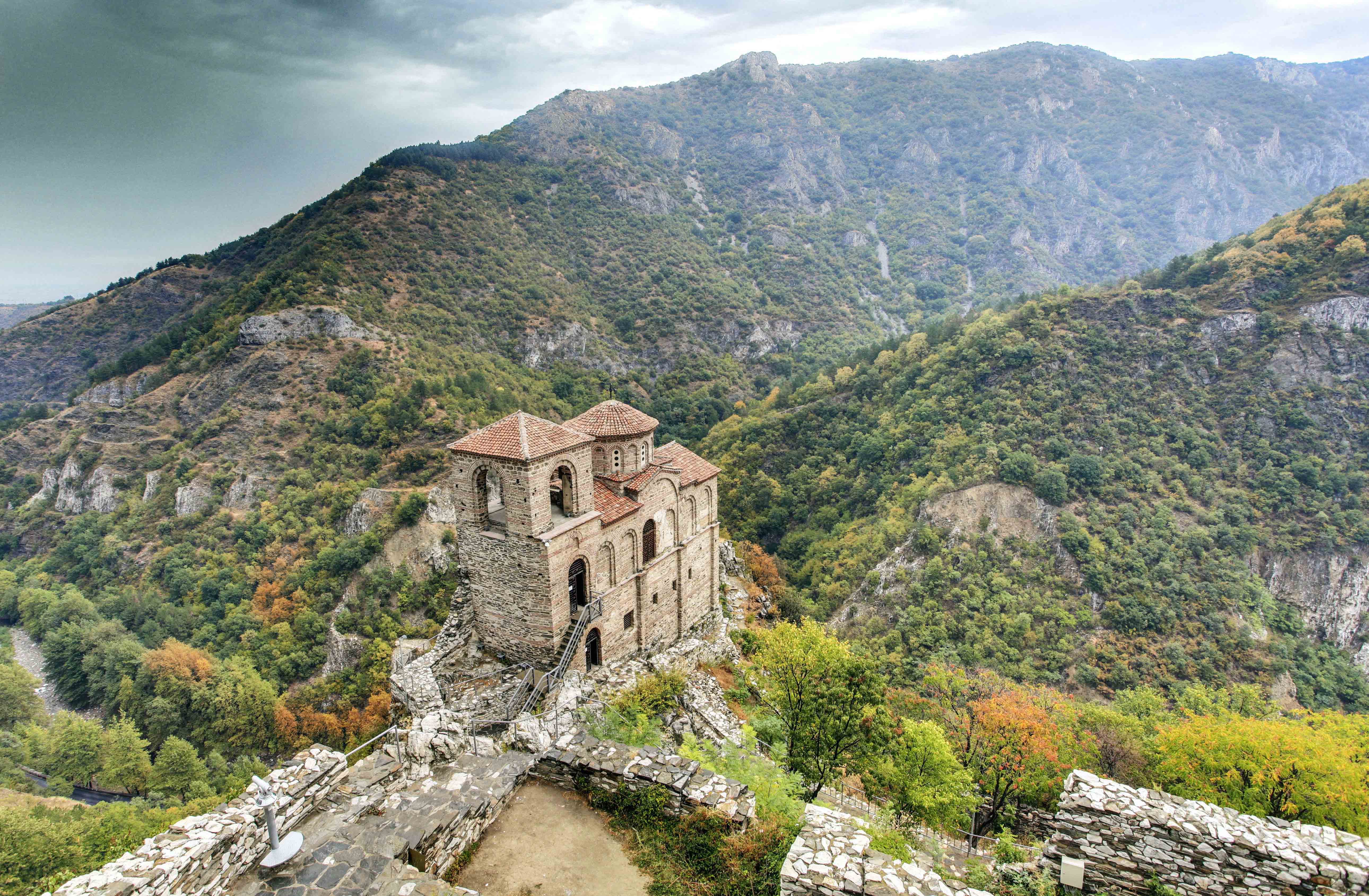
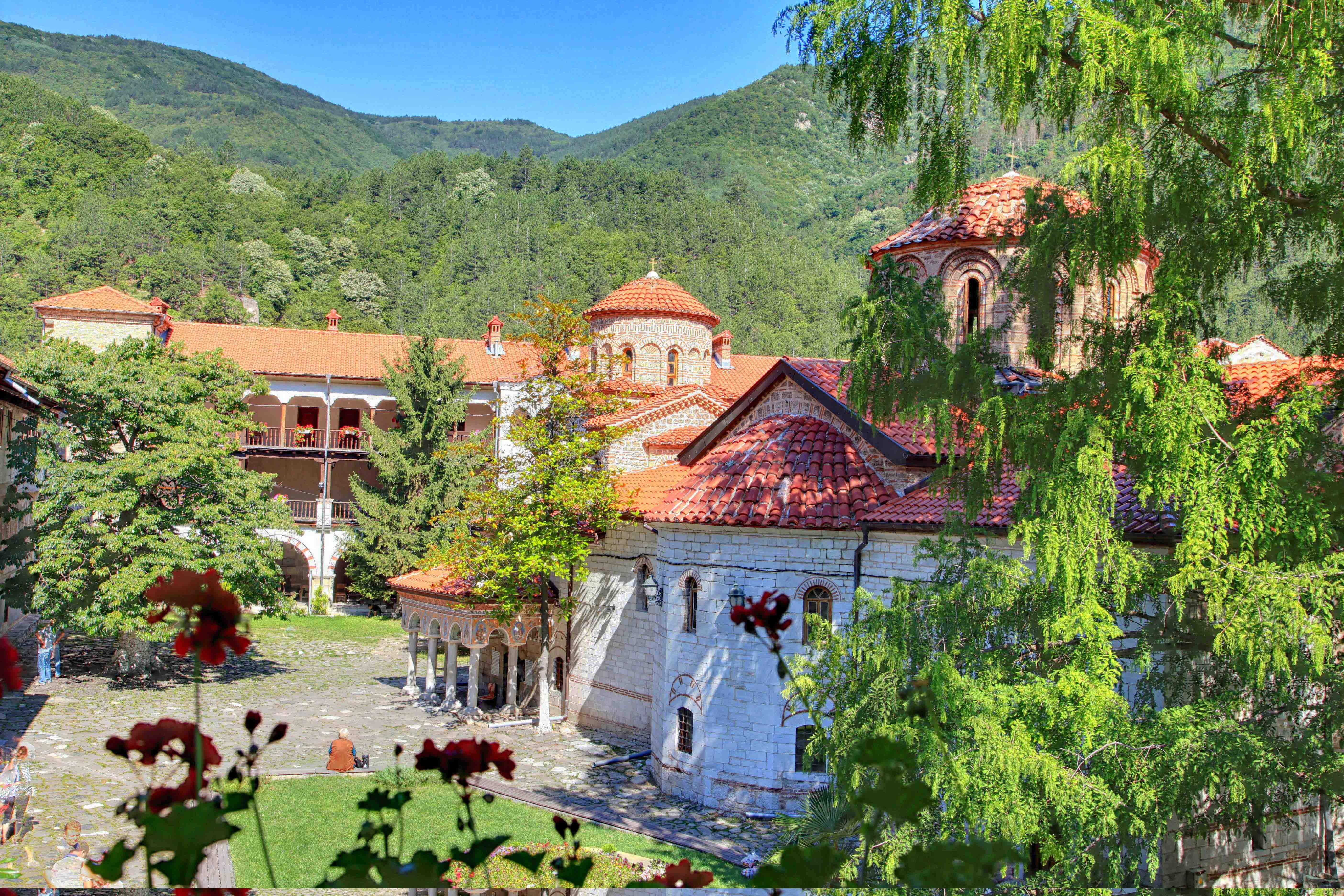
From Plovdiv we head towards the Rhodope Mountains passing through the pretty town of Assenovgrad. Nearby we will see the remarkable remains of King Ivan Assen’s fortress – a wise ruler of the Second Bulgarian Kingdom. There we are to find an ancient church dating from the 13th century painted with some authentic pieces of iconography as well as the stone made inscription carved by King Ivan Assen. Next we go deeper in the Rhodope Mountains towards the picturesque Bachkovo Monastery. The cloister is the second largest in Bulgaria, founded in 1083 and one of the most sacred places in the Bulgarian history. Inside the monastery we’ll visit the main church of the Virgin Mary built in 1604 where a valuable icon of the Virgin Mary from 1310 is kept. According to the legend, this remarkable icon is wonder-working. Attached to the Virgin Mary church we’ll see the Archangels’ Church dating to the 12th century. The monastery refectory is another jewel in the complex which has preserved colorful murals from 1643. Together with the Doomsday fresco, we’ll witness the images of some saint-monks, ancient philosophers and writers as Socrates, Aristotle, Diogenes and many more. The panoramic mural on the outside wall of the refectory represents a bird’s eye view of the monastery with all the surrounding buildings at the time of the painting – 1846. In the second monastery yard we’ll visit the Saint Nikola church You start 9.00 A.M. After 45 minutes drive you stop in front of the gates
About YourPlovdivTrips
This is the official YourPlovdivTrips page on Tourist.com.
YourPlovdivTrips created and manages this profile directly. The business itself provides and maintains the information published here, including its description, offers, discounts, activities and contact details.
YourPlovdivTrips is a local service provider serving Plovdiv, Bulgaria. On Tourist.com it is listed under Services, Tours & Activities and Transport & Mobility.
Unlock VIP privileges at this location
Claim your Tourist ID to access insider perks and direct rates.Status
Contact Info
Message Online

'/%3e%3cpath%20fill-rule='evenodd'%20clip-rule='evenodd'%20d='M9.30883%207.34257C9.10368%206.8889%208.88781%206.87971%208.69293%206.87185L8.16829%206.86548C7.98576%206.86548%207.6892%206.93366%207.43849%207.20637C7.18778%207.47908%206.48047%208.13818%206.48047%209.47875C6.48047%2010.8193%207.46127%2012.1147%207.59794%2012.2967C7.73461%2012.4787%209.49136%2015.3174%2012.2734%2016.4096C14.5853%2017.3172%2015.0558%2017.1367%2015.5578%2017.0914C16.0598%2017.046%2017.1771%2016.4323%2017.4051%2015.796C17.633%2015.1597%2017.6331%2014.6146%2017.5648%2014.5006C17.4965%2014.3866%2017.3139%2014.3189%2017.04%2014.1826C16.7661%2014.0462%2015.4207%2013.3871%2015.1698%2013.2961C14.919%2013.2051%2014.7366%2013.1599%2014.5539%2013.4326C14.3712%2013.7053%2013.8473%2014.3188%2013.6876%2014.5006C13.5279%2014.6825%2013.3684%2014.7053%2013.0945%2014.5691C12.8205%2014.4329%2011.9392%2014.1451%2010.8935%2013.2168C10.0799%2012.4946%209.53066%2011.6026%209.37077%2011.3301C9.21087%2011.0575%209.35379%2010.9099%209.49106%2010.7741C9.61388%2010.652%209.76469%2010.4559%209.90181%2010.2969C10.0389%2010.1379%2010.084%2010.0242%2010.1751%209.84261C10.2663%209.66105%2010.2209%209.50158%2010.1524%209.36537C10.0839%209.22916%209.5521%207.88147%209.30883%207.34257Z'%20fill='white'/%3e%3cdefs%3e%3clinearGradient%20id='paint0_linear_90_18145'%20x1='11.8605'%20y1='3.93043'%20x2='11.952'%20y2='19.4223'%20gradientUnits='userSpaceOnUse'%3e%3cstop%20stop-color='%2357D163'/%3e%3cstop%20offset='1'%20stop-color='%2323B33A'/%3e%3c/linearGradient%3e%3c/defs%3e%3c/svg%3e)

'/%3e%3cpath%20d='M6.99419%2016.96L10.4213%2011.5233C10.5502%2011.3186%2010.7202%2011.1429%2010.9204%2011.0072C11.1207%2010.8715%2011.3469%2010.7788%2011.5848%2010.7349C11.8227%2010.6911%2012.0671%2010.697%2012.3026%2010.7524C12.5381%2010.8078%2012.7595%2010.9114%2012.9529%2011.0566L15.68%2013.1012C15.8018%2013.1924%2015.9499%2013.2414%2016.102%2013.2409C16.2541%2013.2403%2016.4018%2013.1903%2016.5229%2013.0983L20.2038%2010.3041C20.6938%209.9308%2021.3354%2010.52%2021.0088%2011.042L17.5788%2016.4758C17.4498%2016.6805%2017.2799%2016.8562%2017.0796%2016.9919C16.8794%2017.1276%2016.6531%2017.2203%2016.4152%2017.2642C16.1773%2017.308%2015.9329%2017.3021%2015.6975%2017.2467C15.462%2017.1913%2015.2405%2017.0877%2015.0471%2016.9425L12.32%2014.8979C12.1983%2014.8067%2012.0502%2014.7577%2011.8981%2014.7582C11.746%2014.7588%2011.5982%2014.8088%2011.4771%2014.9008L7.79627%2017.695C7.30627%2018.0683%206.6646%2017.482%206.99419%2016.96Z'%20fill='white'/%3e%3cdefs%3e%3cradialGradient%20id='paint0_radial_191_431'%20cx='0'%20cy='0'%20r='1'%20gradientUnits='userSpaceOnUse'%20gradientTransform='translate(6.24183%2025.6663)%20scale(25.6667%2025.6667)'%3e%3cstop%20stop-color='%230099FF'/%3e%3cstop%20offset='0.6'%20stop-color='%23A033FF'/%3e%3cstop%20offset='0.9'%20stop-color='%23FF5280'/%3e%3cstop%20offset='1'%20stop-color='%23FF7061'/%3e%3c/radialGradient%3e%3c/defs%3e%3c/svg%3e)

YourPlovdivTrips
On Tourist since 2026