Private Panama Surf Island
Tropikalne przygody na desce surfingowej na prywatnej wyspie w Panamie. Ośrodek jest otwarty od 1998 roku i znajduje się na małej prywatnej wysepce u wybrzeży Panamy (Ameryka Środkowa). To raj warty odkrycia! Surfer’s Paradise Surf Camp składa się właściwie z dwóch wysp – większej oraz mniejszej zewnętrznej. Na większej znajdują się kwatery mieszkalne. Prywatne chatki usytuowane są na zboczu wzgórza z widokiem na Ocean Spokojny; każda posiada własną hamak do popołudniowej sjesty. Woda pochodzi ze źródła słodkiej wody pitnej używanej również do kąpieli pod prysznicem. Są tu lewobieżne i prawobieżne fale dla początkujących, doświadczonych i zaawansowanych surferów. Jeśli szukasz przygód, zabawy i SURFU, oto miejsce, które musisz odwiedzić.
Tourist Member Privileges
Direct partner perks — unlocked with your Tourist ID.
Regular Price $107 p/day, Group of 4 or more is $90 per day
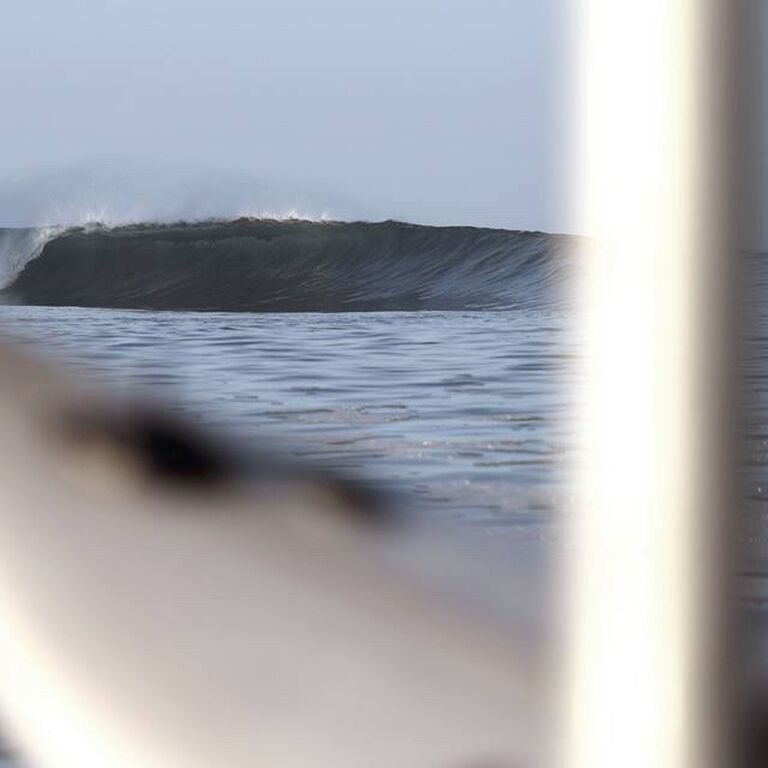
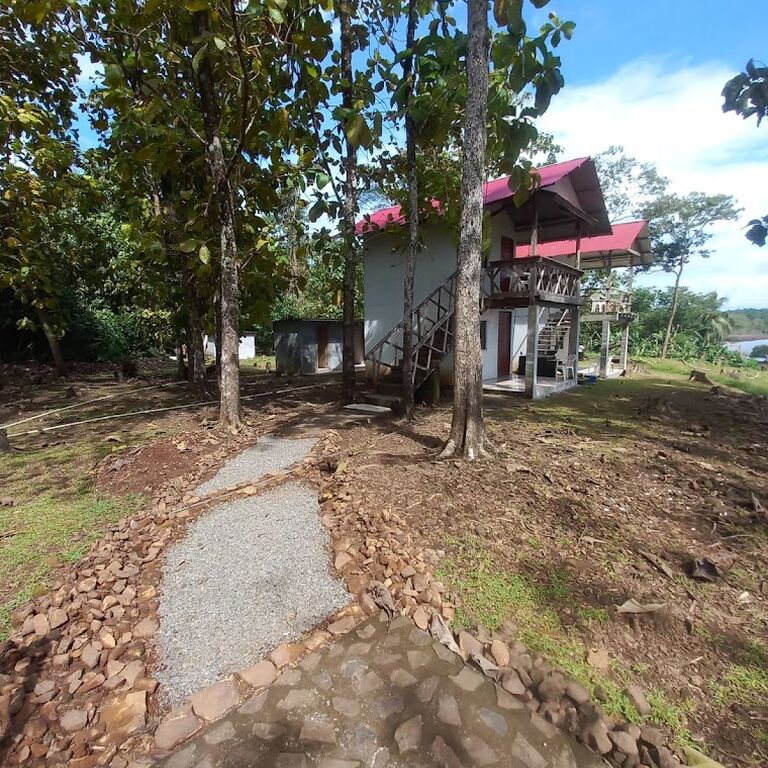
Private Panama Surf Island Have you ever dreamed of surfing in a tropical paradise with perfect warm water waves to yourself? This is your opportunity. We have a surf camp that opened in June 1998 that will fulfill your ultimate wave fantasies. It is located on a small island in the Pacific Ocean off the coast of Panama (Gulf of Chiriqui) There's also diving, fishing, exploring, or just relaxing in a hammock. On the island there is a variety of wild life including monkeys, many types of bird, parrots and deer. The Surfer Paradise Surf Camp is actually two islands, one being the surf camp island and then a smaller island. The surf camp island has the living accommodations. Cabanas are located on the side of a hill overlooking the Pacific Ocean. Water is supplied by a fresh water spring on top of the hill that has been piped down for drinking and showering. Generator supplies 110-volt electricity. There's a large sandy beach break directly in front of the surf camp. There are also several left point breaks nearby. Surfing, Surfing, Surfing The smaller island is about a 30-minute boat ride. This is the island of the largest waves. When the waves are flat everywhere else, you'll find head high wave here on the average. On the north side of the island there are lefthanders going off and on the south side of the island there are right breaking waves. (Something for everyone) We provide one major boat trip per day to the various surf breaks. What do I bring? The weather is tropical, so all you will need is your trunks, sunglasses, warm water wax and alot of sunscreen. Reef shoes are a good idea for coral and rock breaks. Citizens of the U.S.A. must have a valid passport. There is no visa requirement. Details & Reservations All guests will arrive at the International Airport in Panama (PTY). Take a taxi from the airport and to the main bus station in Panama City (Albrook Bus Station) for immediate departure to the surf camp. The bus will take you to the town of Guabala', depending on the time of day. The bus trip takes about 5 hours. Our driver will be waiting here to take on the 20 minutes ride to the port. If it is after dark, then you will spend a night in the port at some cabanas that we have built. The next morning, our boat will come ashore to pick you up and take you on a 25 minute trip to the island. The island is located in the Gulf of Chiriqui, about 80 miles from the border of Costa Rica. All food, shelter, daily boat trips are included at the surf camp. Beer, soda and snacks are extra. IMPORTANT NOTE: Your surf camp “stay” does not start until you until you arrive at the port facilities. That is because up to that point, you are paying the expenses of taxi and bus. So, if you (for example), arrive at port facilities at 5 a.m., than that is when the clock starts. No more than 18 surfers will be accommodated on the island at one time. I will be taking reservations on a weekly basis and when the week is filled, the week is filled. We want to keep the place un-crowded with maximum surf for each person. It is best to bring your own surfboard, however, due to rising costs of baggage fees, we have surfboard rentals available for $25 per day. The full week charge is $125 (6 or 7 days). Surf lessons can be provided for beginners with private, semi-private or group rates. You are responsible for finding airfare to Panama. I personally have had a lot of luck with www.travelocity.com , but there are other services like them. It pays to shop around. Be very careful with the airlines. Sometimes, they have embargos throughout the year and will not transport surfboards during their embargos. Be sure to check with the airlines customer service people to find out when the embargos are taking place. RESERVATIONS: Call me at 1-760-707-7645 to check for availability or email me at panamasurfcamp@gmail.com Also, you must complete the surf camp's booking form. I will email you the Booking Form once your reservation had been confirmed that there is space available. Questions? Call 760-707-7645 Surf Break Descriptions: We are up to 12 breaks at this time within a short distance of the camp. More discoveries are being made all the time. Some break best on high tide, some on low tide. Here's a description of each: Emily's: is a left point break, often described as playful. When there's a good swell, getting double barreled on the same wave is possible. With a swell, wave is generally, head high to two feet overhead. Tide: Medium tides. The Point: Left point break about ½ -mile from camp. Generally breaks, 3-4 foot bigger than Emily's, it is also fast and hollow, making it easy to get barreled on. On a big swell, it has been compared to a Pipeline-type wave. Quite often I have heard people say, "That was the best wave of my life!" Tide: Medium tides. Sand bar/ Rivermouth break: South of big island, this break is a series of "A frames" up and down a long beach in front of a small island, just south of the main island. El Toro: surfed at medium tide and breaks both right and left. It is between two major rock formations. . There four breaks are on outside island. One is a big wave left reef break, next is a smaller, but very fun left reef break, the other a right break reef pass and the last is an island wrapper going right, and should only be surfed at medium to high tide. With a good swell, the outside island can produce waves that are double to triple overhead. With an average swell, it will generally have 2-4 ft overhead conditions. When the swell is right, one of the breaks on this island has been described as a "G-Land style wave". We've seen surfers get standup barrels at these breaks with spitting tubes. We also have a two mile long sandy beach breach that is good for beginner surfers and for warming up. Commonly Asked Questions: 1. Will my girlfriend or wife like it there? If your girlfriend likes the outdoors, she'll love it. There is fishing, snorkeling, hiking, horseback riding, a long beach you can run/walk with lots of pretty shells she can collect. Though our accommodations are better than camping, she will ONLY enjoy it, if she likes camping. 2. What are the accommodations like? Oceanfront cabana rooms with a great view and a cool breeze. There is running water for drinking and showering. We have a dining room area for eating and visiting in the evening. We have electricity in the evening hours when we start our generator. 3. When is the best season? Best chance for overhead waves in from April to October. November to March is more likely to be in the shoulder to headhigh range. Rainy season is from May to November, dry season is from December to April. Please note, we can not guarantee waves that are either too big or too small for your preference. 4. Do I need any special immunizations? Tetanus would be good if you haven't had one in the last ten years. No problems with Malaria, Yellow Fever or Hepatitis. 5. How safe is it in Panama? Recently, a government study on crime in Latin America found Panama with a lower crime rate than Costa Rica, which is typically thought as one of the safest latin american countries to travel to. Panama is rated at the same level as the United States. 6. Do I need a passport? Yes For a U.S. passport application, go to: http://travel.state.gov/passport/passport_1738.html 7. How far are you from Panama City? The island is located 250 miles from Panama City going in the direction of Costa Rica. We are on an island in the Gulf of Chiriqui. 8. Can you accommodate vegetarian diets? Yes. Panama has a wide variety of fruits and vegetables. Please inform us prior to arrival of any special diets. 9. How consistent are your waves? As consistent as any other surf destination in the world. We have waves most all the time, but we can't guarantee waves 100% of the time. No body can. 10. What are the bathrooms like? We have a flush toilet, sink and shower. 11. What is your preparation for medical emergencies? We have a fairly extensively medical supply cabinet, so we can handle most minor injuries like cuts and bruises. Our camp workers have some first aid, CPR training, but aren't doctors. We are in phone and radio contact with a local naval base. We are approximately 1 hour to a small country hospital and 1.5 hours from a major city hospital. 12. Is there internet at the surf camp? The surf camp does have wireless capability through Starlink Internet. Ask for the password when you arrive. a cell tower connection at the port facilities. Bring your wireless capable device (laptop, smart phone, iPad, etc.,), if you wish to be able to access it. 13. What is not included? Beer, soda, canned juices, hotel in Panama City, taxis and buses are not included.
About Private Panama Surf Island
This is the official Private Panama Surf Island page on Tourist.com.
Private Panama Surf Island created and manages this profile directly. The business itself provides and maintains the information published here, including its description, offers, discounts, activities and contact details. Private Panama Surf Island is a local place to stay serving Chiriqui, Panama. On Tourist.com it is listed under Places to stay, Tours & Activities and Nature & Parks.
Unlock VIP privileges at this location
Claim your Tourist ID to access insider perks and direct rates.Status
Contact Info
Message Online


Private Panama Surf Island
On Tourist since 2026